A maintenance technician reaches into a jammed conveyor belt. The machine isn’t running—yet. But someone flips a switch upstream, unaware of the worker inside the danger zone. Seconds later, tragedy strikes. This scenario is preventable. At the heart of that prevention is the lockout tagout station.
These centralized safety hubs aren’t just storage units—they’re critical components of an effective energy control program. OSHA estimates that proper lockout/tagout practices prevent 120 fatalities and 50,000 injuries annually in the U.S. alone. Yet, many facilities still treat LOTO stations as afterthoughts, placing mismatched locks in dusty cabinets or relying on scattered procedures.
A well-designed lockout tagout station ensures that every employee has immediate access to the right tools, clear instructions, and accountability systems when servicing equipment. It transforms compliance from a checklist into a culture.
What Is a Lockout Tagout Station?
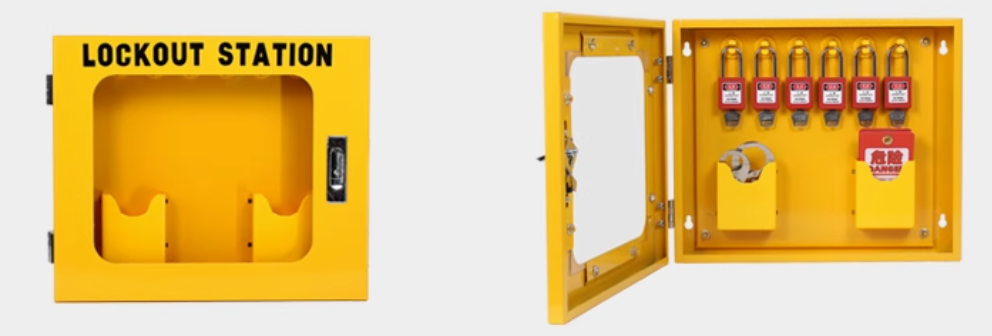
A lockout tagout station is a designated area where all LOTO devices, tags, locks, and procedural documentation are stored and organized. It serves as the physical and procedural anchor of a facility’s energy control policy.
These stations aren’t one-size-fits-all. They range from compact wall-mounted units for small workshops to multi-tier cabinets with custom bins for large manufacturing plants. What defines them is consistency, accessibility, and alignment with OSHA 29 CFR 1910.147 standards.
At minimum, a functional station includes: - Lockout hasps and lockout devices (valve locks, circuit breaker locks, etc.) - Personal safety locks (keyed-alike or keyed-different) - Warning tags with durable, tamper-resistant materials - Master procedure binders or digital tablets with LOTO steps - Accountability logs or lock registers
Without this central point, workers improvise—using personal padlocks, handwritten notes, or skipping steps altogether. That’s how near-misses become incidents.
Why Facilities Fail Without a Centralized LOTO Station
The absence of a dedicated lockout tagout station leads to systemic breakdowns. Here are the most common failures observed in the field:
Inconsistent Equipment Use Technicians grab whatever lock is available, even if it’s not rated for the energy source. A standard padlock on a hydraulic system won’t withstand pressure buildup. Specific lockout devices (like beam locks for disconnects or plug locks for cords) must be on hand and organized.
Lost or Shared Locks
When locks are stored haphazardly, they get lost, borrowed, or duplicated. OSHA requires that each worker have their own lock—a personal accountability tool. Without a station with labeled storage, this rule collapses.
Missing Tags or Outdated Procedures Tags are often left on machines or discarded. Without a replenishable supply stored centrally, workers skip tagging. Worse, outdated procedures linger because there’s no master control point for updates.

No Visibility or Training Reinforcement A well-designed station acts as a daily reminder of safety protocols. It keeps LOTO top of mind. In contrast, hidden or disorganized setups signal that safety is optional.
One automotive parts plant reduced lockout violations by 76% within six months simply by installing color-coded LOTO stations with visual work instructions near high-risk machinery.
Components of an Effective Lockout Tagout Station
A high-performing station isn’t just about storage—it’s a system. Here’s what to include:
1. Lock Storage with Employee Designation Use labeled bins or slots for each worker’s lock. Color-coding by department (red for maintenance, blue for operations) adds visual clarity. Locks should be standardized—same size, same durability—but individually owned.
2. Device Variety for Multiple Energy Types Include locks and attachments for:
- Electrical disconnects
- Pneumatic and hydraulic valves
- Rotating shafts
- Steam lines
- Conveyor stoppoints
Having the right device prevents makeshift solutions that compromise safety.
3. Tags with Durable, Multi-Language Fields Tags must withstand oil, moisture, and UV exposure. Look for polyester or vinyl with write-on areas for name, date, reason, and department. Bilingual tags (English/Spanish) are essential in diverse workforces.
4. Procedure Access Bind printed LOTO steps by machine, or use a tablet with digital access. Procedures should include: - Energy source identification - Isolation steps - Verification testing - Group lockout coordination
5. Accountability Log A sign-in sheet or digital tracker ensures that every lock applied is accounted for. This is critical during shift changes or group maintenance.
6. Spare Supplies and Audit Kit Store extra tags, locks, and zip ties. Include a checklist for monthly station audits—missing items, damaged tags, outdated binders.
Real-World Use Cases: Where LOTO Stations Make the Difference
Case 1: Food Processing Plant Grinding equipment required frequent cleaning. Previously, workers used a single master lock. After installing individual lock stations with blade guard locks and magnetic tags, the site eliminated three near-misses in one quarter.
Key move: They mounted compact LOTO cabinets directly beside each machine, with laminated procedures on the door.
Case 2: Chemical Manufacturing Facility A reactor vessel required isolation of electrical, pneumatic, and chemical feed lines. Before, tags were often missing. A centralized station with multi-lock hasps and color-coded valve locks reduced unauthorized restarts by 90%.
They added a rule: no lock removal without supervisor verification logged in the station binder.
Case 3: Automotive Assembly Line
With multiple shifts and contract workers, accountability was weak. A digital LOTO station with RFID lock tracking tied each device to employee IDs. Supervisors could instantly see who had locks in place.
This eliminated “lock left behind” incidents during handovers.
Choosing the Right Lockout Tagout Station: 5 Top Options
Not all stations are equal. These five deliver reliability, scalability, and compliance alignment:

| Product | Key Features | Best For |
|---|---|---|
| Brady LOTO-2000 Cabinet | 20 employee slots, lockable doors, customizable bins | Mid-sized manufacturing |
| Grainger Multi-Tier Station | Heavy-duty steel, optional digital tablet mount | High-traffic facilities |
| Master Lock Padlock Dispenser | Tamper-proof lock distribution, audit trail | Large teams with turnover |
| Seton Wall-Mount Organizer | Compact, 12-lock capacity, includes tag reels | Small workshops or remote areas |
| Honeywell LOTO Smart Station | RFID tracking, cloud sync, mobile alerts | Facilities pursuing Industry 4.0 integration |
When selecting, consider: - Number of authorized employees - Types of machinery and energy sources - Environmental conditions (wet, dusty, outdoor) - Integration with existing safety software
Avoid cheap plastic organizers—they crack, warp, and offer no security. Invest in powder-coated steel or industrial polymer.
Common Mistakes in LOTO Station Implementation
Even facilities with stations make critical errors:
- Placing stations too far from equipment: If it’s a 50-yard walk to get a lock, workers will bypass the system.
- Using generic, non-compliant tags: Tags must include “Do Not Operate” warnings and space for user details. Homemade paper tags don’t cut it.
- Failing to audit regularly: Stations degrade. Monthly checks should include lock functionality, tag supply, and procedure accuracy.
- Allowing personal locks to leave the site: A worker taking their lock home breaks accountability. Stations must enforce on-site-only use.
- Ignoring contractor access: Temporary workers need temporary locks. Maintain a “contractor LOTO kit” at the station with disposable locks and tags.
One refinery learned this the hard way when a contractor used a personal lock not in the system. The lock was removed prematurely during a shift change—resulting in a minor explosion during recommissioning.
Designing for Workflow, Not Just Compliance
The best LOTO stations align with how work actually happens.
For example, in a 24/7 plant, night-shift technicians need instant access. A wall-mounted station with a break-glass emergency override (logged automatically) balances safety and urgency.
In facilities with mobile crews, rolling LOTO carts—essentially portable stations—bring the system to the machine. These include fold-out work surfaces, battery-powered lights, and onboard procedure tablets.
Visual design matters too. Use red-and-yellow color schemes, bold headers, and pictograms for quick recognition. A well-placed station should feel like a command center, not a supply closet.
Final Steps: Launching and Maintaining Your LOTO Station
Installing a station is step one. Sustaining it is the real challenge.
- Start with:
- Site assessment – Map high-risk machines and maintenance frequency.
- Station placement – Locate within 25 feet of primary equipment.
- Inventory matching – Stock devices for each energy type.
- Employee onboarding – Train on lock assignment, tagging, and log use.
- Monthly audits – Assign a safety officer to inspect and restock.
Update procedures after any machine modification. Retrain when turnover exceeds 20%.
Above all, leadership must treat the LOTO station as non-negotiable. When managers bypass it, the message is clear: safety is optional.
Protect People, Power Compliance, Prevent Incidents
A lockout tagout station is more than a cabinet—it’s a commitment. It turns policy into practice, risk into control, and assumption into accountability. Whether you’re running a single production line or a multi-site operation, a well-built, well-maintained LOTO station is the simplest step toward a safer workplace. Install it, use it, audit it. Then watch safety culture follow.
FAQ
What should you look for in Lockout Tagout Station Essentials for Workplace Safety? Focus on relevance, practical value, and how well the solution matches real user intent.
Is Lockout Tagout Station Essentials for Workplace Safety suitable for beginners? That depends on the workflow, but a clear step-by-step approach usually makes it easier to start.
How do you compare options around Lockout Tagout Station Essentials for Workplace Safety? Compare features, trust signals, limitations, pricing, and ease of implementation.
What mistakes should you avoid? Avoid generic choices, weak validation, and decisions based only on marketing claims.
What is the next best step? Shortlist the most relevant options, validate them quickly, and refine from real-world results.