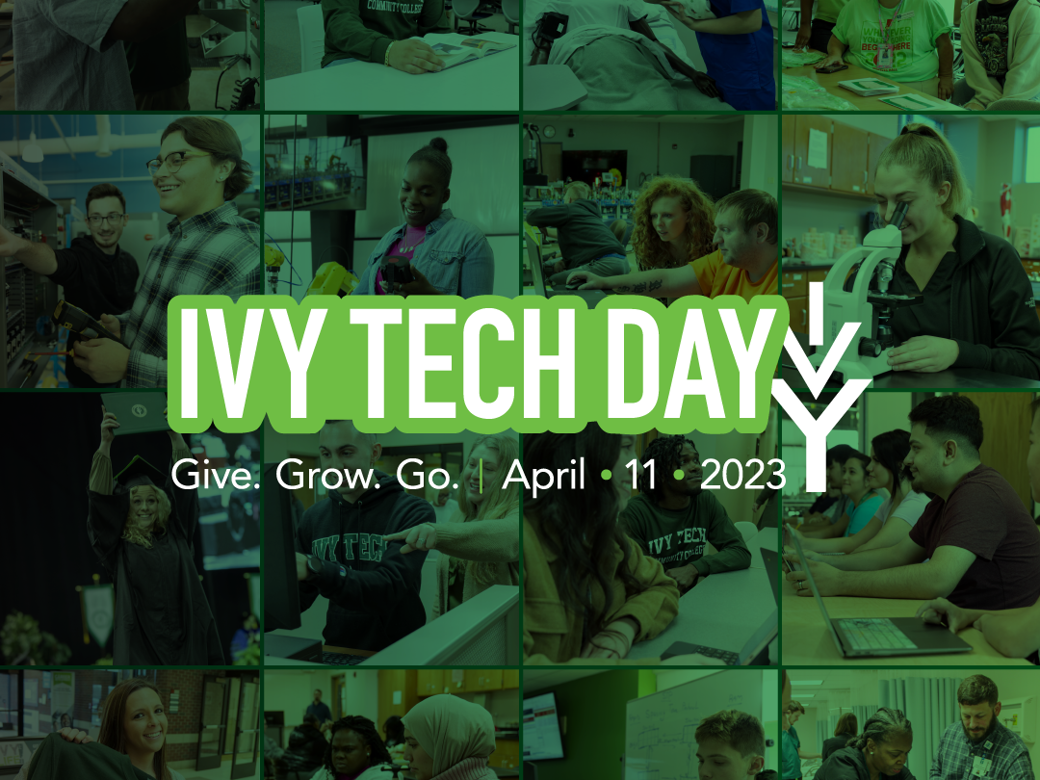
Too many students enroll in college only to find their degrees don’t lead to jobs. In Evansville, Ivy Tech Community College breaks that cycle. Its programs are built around workforce needs—meaning students gain skills employers actually want. This isn’t theoretical learning. It’s training that leads to electricians, nurses, IT specialists, and manufacturing technicians—all roles with steady demand across southwestern Indiana.
With a campus embedded in Evansville’s industrial and healthcare economy, Ivy Tech aligns its curriculum with regional employers. Whether you're a recent high school grad, a working adult looking to pivot, or someone upskilling on nights and weekends, the school offers realistic pathways forward—without the debt burden of a four-year degree.
Here’s a breakdown of what makes Evansville Ivy Tech programs a strategic choice.
Why Evansville Learners Choose Ivy Tech
Ivy Tech isn’t trying to be a research university. It’s built for accessibility and employment outcomes. In Evansville, that mission translates into flexible scheduling, low tuition, and strong industry partnerships.
A single parent working nights can enroll in a Medical Coding program that meets two evenings a week. A high school senior can dual-enroll in a Manufacturing Engineering Technology course and graduate with college credits—and a head start on a career.
The campus maintains articulation agreements with universities like the University of Southern Indiana, so students who want to pursue a bachelor’s can transfer credits seamlessly. But the core value lies in what you can do after two years—or even after a year-long technical certificate.
Key advantages:
- Tuition around $120 per credit hour (in-district)
- Most programs take 1–2 years to complete
- 80%+ job placement rate in top programs (e.g., Nursing, Radiography)
- On-campus labs simulate real-world environments
Students aren’t just sitting in lecture halls. They’re running phlebotomy drills, coding live databases, or welding under instructor supervision.
High-Demand Programs at Evansville Ivy Tech
Some programs fill faster than others—because local employers are actively hiring. These are the degrees and certificates that consistently lead to job offers.
Nursing (ADN)
The Associate Degree in Nursing is one of the most competitive programs at the Evansville campus. Graduates sit for the NCLEX and become Registered Nurses (RNs). Local hospitals like Ascension St. Vincent and Deaconess actively recruit from the program.
- 67-credit program spanning four semesters
- Clinical rotations at regional healthcare facilities
- Limited enrollment—applicants need TEAS exam scores and CPR certification
Many students work as nursing assistants while enrolled, gaining experience and income.
Advanced Manufacturing & Engineering Technology
Evansville is home to manufacturing giants like Berry Global and Otterbourg. Ivy Tech’s Advanced Manufacturing program feeds directly into these workforces.
Students learn:
- CNC machining
- 3D modeling (SolidWorks, AutoCAD)
- Quality control (Six Sigma fundamentals)
- Automation and robotics
Graduates often start at $20–25/hour. Some land roles as maintenance technicians or production supervisors within a year.
Information Technology
Cybersecurity, networking, and software development are growing fields—and Ivy Tech’s IT program is designed to keep pace.
Tracks include:
- Network Administration (Cisco-aligned)
- Cybersecurity (aligned with CompTIA Security+)
- Software Development (Java, Python, web stacks)
The program features a fully functional IT lab where students build firewalls, deploy virtual servers, and practice penetration testing on isolated networks.
One graduate landed an internship at Mead Johnson Nutrition after demonstrating a custom inventory-tracking app during a capstone project.
Business & Accounting
Not every career path is technical. Ivy Tech’s Business Administration degree prepares students for roles in small business management, banking, and accounting support.
Features:
- Hands-on coursework with QuickBooks and Excel modeling
- Small class sizes with faculty who’ve worked in local firms
- Option to specialize in Accounting or Management
Many students use this as a foundation before transferring to USI for a B.S. in Business.
Early Childhood Education
Childcare is a critical workforce need. Ivy Tech’s program trains students to work in preschools, Head Start programs, and private centers.
Graduates earn a Child Development Associate (CDA) credential and qualify for roles such as lead teacher or center assistant. The program includes 160 hours of practicum in licensed facilities.
Certificate Programs: Fast-Track Career Entry
Not everyone needs a two-year degree. For quicker entry into the workforce, Ivy Tech offers stackable certificates—credentials that can often be completed in under a year.
| Certificate | Duration | Avg. Starting Pay | Common Jobs |
|---|---|---|---|
| Phlebotomy | 3 months | $16–18/hr | Lab assistant, clinic tech |
| Medical Coding | 6 months | $20–24/hr | Coding specialist, billing clerk |
| Welding Technology | 6–9 months | $18–22/hr | Fabrication, construction |
| IT Support Specialist | 6 months | $17–20/hr | Help desk, field tech |
| Commercial Truck Driving (CDL) | 8 weeks | $50k–60k/yr | OTR, regional haul |
These programs are ideal for career changers or those needing income quickly. Many students work part-time while completing them.
Take welding: Students spend 70% of class time in the lab, using MIG, TIG, and stick welding on structural steel. Graduates often join local contractors or manufacturing plants.
How to Get Into Evansville Ivy Tech Programs
Admission is open enrollment for most programs—but selective programs require extra steps.
General admission requirements:
- High school diploma or GED
- Application (free online)
- Placement test (or SAT/ACT waiver)
For competitive programs (Nursing, Radiography, etc.):
- Higher GPA requirement (often 2.5+)
- Pre-requisite courses (e.g., Anatomy & Physiology)
- Entrance exam (e.g., TEAS, HESI)
- Background check and drug screening
Tip: Apply early. Nursing applications typically open once a year, and seats fill fast.
Financial aid is widely available. Most students use Pell Grants, Indiana’s 21st Century Scholars, or the Workforce Ready Grant—which covers 100% of tuition for eligible high-demand programs.
Real-World Outcomes: Where Graduates Work
It’s one thing to list programs. It’s another to show where people end up.
Here are real post-graduation paths from recent Evansville campus alumni:
- Jamie R. – Completed IT Support Specialist certificate, hired by Vectren (now CenterPoint Energy) as a field service tech. Promoted to network technician in 18 months.
- Marcus T. – Earned ADN, now works night shift at Deaconess ICU. Plans to pursue a BSN through online courses.
- Linda P. – Over 50, switched careers after completing the Medical Coding program. Now works remotely for a healthcare billing company at $23/hour.
- Carlos M. – Took Welding Tech while still in high school via dual enrollment. Hired by a fabrication shop before graduation.
Ivy Tech tracks job placement through employer surveys and alumni check-ins. In high-demand fields, placement exceeds 85%. Even in softer markets like general business, graduates report working in sales, customer service, and administrative roles with room to grow.
Campus Resources That Make a Difference
Education doesn’t stop at the classroom door. Evansville Ivy Tech supports students with services that improve completion and career success.

WorkOne Partnership: The campus hosts a WorkOne office on-site, connecting students to job listings, resume reviews, and interview prep—all tailored to local employers.
Career Coach Tool: This online platform shows real-time job ads from the region. Students can explore salaries, required skills, and growth projections by field—helping them pick programs with strong ROI.
Tutoring & Advising: Free tutoring in math, writing, and nursing fundamentals. Academic advisors help with course planning, transfer pathways, and financial aid renewals.
Child Care Assistance: Limited on-campus child care subsidies are available—critical for single parents pursuing technical training.
One student shared: “I was working nights and raising two kids. The advisor helped me set up a class schedule that worked, and I used tutoring for A&P. I wouldn’t have made it without that support.”
Comparing Evansville Ivy Tech to Other Options
How does Ivy Tech stack up against universities or for-profit schools?
| Factor | Ivy Tech (Evansville) | Public University | For-Profit College |
|---|---|---|---|
| Tuition (2 years) | ~$6,000 | ~$20,000+ | ~$15,000–30,000 |
| Program Length | 1–2 years | 4+ years | 1–2 years |
| Job Placement Focus | High (industry-aligned) | Moderate (varies) | Mixed (depends on school) |
| Hands-On Training | Extensive labs & practicums | Limited in non-STEM | Varies (often weak) |
| Transfer Pathways | Strong (e.g., USI, Vincennes) | Direct | Rare or blocked |
For career-focused education, Ivy Tech wins on cost, speed, and relevance. A four-year degree makes sense for certain fields, but for skilled trades, healthcare techs, and IT support, Ivy Tech delivers faster ROI.
Making the Right Choice for Your Future
Choosing a program isn’t just about interest—it’s about sustainability. Will you graduate? Will you find work? Can you afford it?
Evansville Ivy Tech programs answer yes to all three. They’re not flashy. They don’t promise six-figure salaries out the gate. But they offer something more valuable: a realistic, affordable path to a stable career.
If you're considering enrolling:
- Visit the campus and sit in on a lab session
- Talk to an advisor about Workforce Ready Grant eligibility
- Use Career Coach to research job openings in your field of interest
- Map out a two-year plan—including part-time work if needed
Education should open doors—not lock you into debt with no clear exit. At Evansville Ivy Tech, the path is clear, practical, and built for Indiana’s real economy.
FAQ
What programs does Evansville Ivy Tech offer? The campus offers degrees and certificates in Nursing, Advanced Manufacturing, IT, Business, Early Childhood Education, and more—focused on workforce needs in southwestern Indiana.
How much does it cost to attend Evansville Ivy Tech? In-district tuition is approximately $120 per credit hour. Many students qualify for grants that cover full tuition, especially in high-demand fields.
Can I transfer from Evansville Ivy Tech to a four-year college? Yes. Ivy Tech has transfer agreements with schools like the University of Southern Indiana, allowing seamless credit transfer into bachelor’s programs.
Is financial aid available? Yes. Students can access Pell Grants, 21st Century Scholars, and the Workforce Ready Grant, which covers tuition for eligible programs.
Do I need to take placement tests? Most students do, but scores from recent SAT, ACT, or ACCUPLACER exams may waive the requirement. Check with admissions for details.
Are classes offered online or at night? Many programs offer evening, hybrid, and online options to accommodate working adults and part-time students.
How long do most programs take to complete? Certificates take 3–9 months. Associate degrees typically take two years full-time, though many students finish in 2.5 years due to part-time enrollment.
FAQ
What should you look for in Evansville Ivy Tech Programs for Career-Focused Education? Focus on relevance, practical value, and how well the solution matches real user intent.
Is Evansville Ivy Tech Programs for Career-Focused Education suitable for beginners? That depends on the workflow, but a clear step-by-step approach usually makes it easier to start.
How do you compare options around Evansville Ivy Tech Programs for Career-Focused Education? Compare features, trust signals, limitations, pricing, and ease of implementation.
What mistakes should you avoid? Avoid generic choices, weak validation, and decisions based only on marketing claims.
What is the next best step? Shortlist the most relevant options, validate them quickly, and refine from real-world results.